Skip to main content
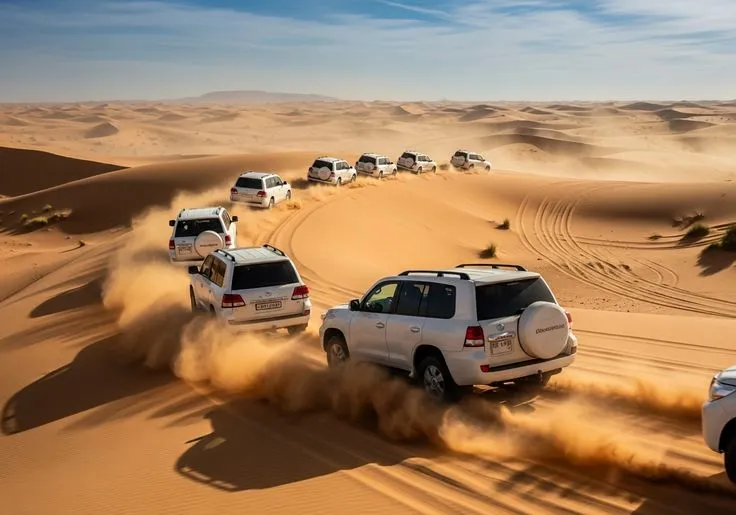
Preparation for Desert Safari is one of those experiences that sounds simple on paper but feels very different once you’re actually there. The desert is beautiful, but it’s also unpredictable. Heat, sand, movement, and long hours outdoors can turn an exciting trip into an uncomfortable one if you’re not prepared.
Most travelers assume a desert safari is just a short drive, some photos, and dinner. That mindset is where problems start. With the right preparation, a desert safari is smooth, enjoyable, and memorable. Without it, even small things — wrong shoes, poor hydration, or bad timing — can affect the whole experience.
This guide covers everything you realistically need to know before heading into the desert.
Understanding Desert Conditions Before You Go
Preparation for Desert Safari Dubai hits different. You will amaze yourself on the desert safari. The city is completely different from the Dubai Desert Safaris environment. The temperature is likely to fluctuate rapidly, the sun is bright and the sand is all around, even in the places you would never think of.
The heat might seem more prominent during the day as there is no shade. During evening and night, the temperatures tend to reduce abruptly particularly during winter seasons. There is also the chance of wind blowing, which makes the desert colder than it was supposed to be.
This knowledge would make you overpack less and know how to pack smarter.
What to Wear in the Desert (Comfort Over Style)
The safari can or can not be what you wear. This is to achieve comfort, protection, and flexibility.
Breathable light-colored clothing is the best since it reflects the heat rather than absorbing it. Ideal ones are cotton or linen fabrics. Long sleeves are the opposite of intuitive, they help to avoid sunburn and direct exposure to heat.
Closed shoes cannot be ignored, particularly when dune bashing, walking on the sand, or climbing dunes. Light trainers or sneakers are a good idea. Sandals are pretty, but easily become irritated by sand that gets into them.
Do not wear tight clothes, heavy embroidery, heels or something that can be heated up in the sun. Fashion battles are not made in the desert.
What Not to Wear (Learned the Hard Way)
A lot of passengers regret wearing dark and leather shoes and heavy perfumes. Dark colors are heat absorbers, and leather does not go well with sand.
Jewelry can also be a problem. Metal is very hot and may be very uncomfortable. Never have too many accessories.
In case you intend to shoot pictures, then stay simple in outfits because the desert itself is dramatic.
Essential Items to Carry With You
The biggest mistake people make is carrying too much or too little. A small backpack is enough for most safaris.
Essentials you should always carry:
- Sunglasses to protect your eyes from glare
- Sunscreen, even for evening safaris
- A phone or camera for photos
- A power bank (battery drains faster in heat)
- Tissues or wipes for sand and dust
Most operators provide water, but don’t assume unlimited supply. Staying hydrated is key, especially if you’re doing physical activities.
Avoid carrying valuables or large bags. Sand gets everywhere, and you don’t want to worry about your belongings.
Food, Hydration, and Energy Levels
Although you might even have dinner as part of your safari, it is intelligent to eat lightly first. Nausea can result because of the heavy meals prior to dune bashing.
Always drink water, not necessarily when you are thirsty. The desert can get dehydrated very easily, particularly when hot.
In case you are going with children or older relatives, it can be a good idea to bring light snacks.
Health and Safety: What You Should Tell Your Guide
Safaris in deserts are mostly safe; however, issues of communication are pertinent. In case you have some back problems, heart problems or motion sickness, inform your guide before the ride starts.
Dune bashing is accompanied by abrupt movements and turns. Expectant mothers are normally advised to avoid this exercise and instead have a relaxing desert trip.
Always obeyed the directions of the driver. These drivers are used to driving in the desert, and there are safety regulations, which have a purpose.
Weather Awareness and Seasonal Preparation
The weather is also a great determinant of the comfort of your safari.
Evenings are cold between October and March. A jacket or shawl can be of immense help particularly when one is sitting in the camp or staying at night.
During the summer season, the primary issue is heat. Evening safaris are more comfortable as compared to daytime ones and light weight clothing even more significant.
It is advisable to look up the weather forecast a day before your safari so that you can get ready.
You can also read: VIP Desert Safari Dubai Price & Luxury Guide 2026
See Less Stress, Enjoy More
One underrated tip: don’t over-plan. A desert safari works best when you allow the experience to unfold naturally.
Rushing for photos, worrying about schedules, or constantly checking your phone takes away from the moment. Prepare well, then relax and enjoy the silence, the sky, and the space around you.
Comfortable travelers enjoy the desert more than rushed ones — every time.
Final Preparation Advice Before You Go
Preparation does not imply taking everything that you have. It means packing smart.
Seeing the desert should be comfortable, bring necessary things along, communicate freely with your guide, and do not violate the desert. When you do so the desert is friendly and not imposing.
Even a small amount of preparation will make a great safari out of a good one.
Frequently Asked Questions (FAQs)
What should I wear for a desert safari?
Light, breathable clothing with closed shoes is best. Carry a light jacket for evening or winter safaris.
Is a desert safari safe for everyone?
Most people can enjoy a safari safely. Those with medical conditions should inform the operator in advance.
Do I need to bring water?
Water is usually provided, but carrying a small bottle for extra hydration is recommended.
Can I bring a backpack or camera bag?
Yes, but keep it small and secure. Sand can damage equipment if not protected.
Should I eat before dune bashing?
Eat light meals before the safari to avoid motion sickness.